Travel note · Culture
What makes Suriname unique?
How one small capital came to hold so many cultures at once.
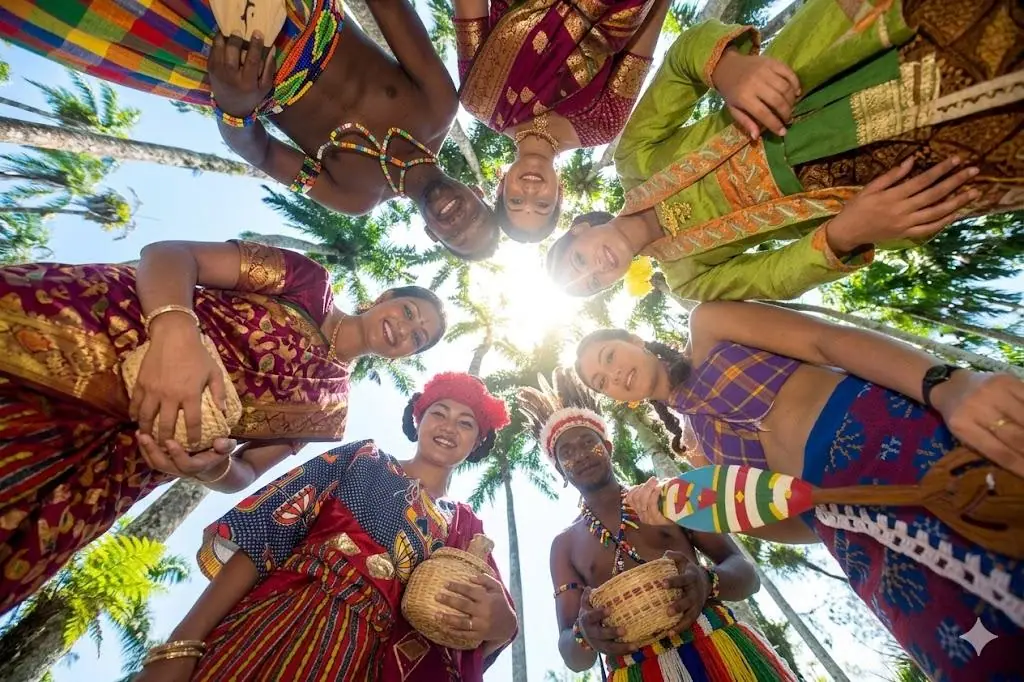
What makes Suriname unique is its diversity: in one small capital, more cultures meet — Indigenous, Maroon, Creole, Hindustani, Javanese, Chinese, and European — than in countries many times its size, and they don’t just coexist on paper. They share streets, holidays, kitchens, and the ordinary rhythm of a day.
The short answer: Suriname is one of the most culturally diverse places on earth for its size — Indigenous, Maroon, Creole, Hindustani, Javanese, Chinese, and European roots, side by side in a single walkable city.
Many lineages, one city
Paramaribo’s story is a story of arrivals. The first peoples of the land; Africans brought under slavery, and the Maroons who freed themselves into the interior; indentured workers from India and Java; traders and settlers from China and Europe. Each brought a language, a faith, a way of cooking — and rather than blur into one, they stayed distinct and learned to live close. The result is a city that feels, on a single walk, like several places at once.
It shows up in ordinary days
You don’t have to look for it. A mosque and a synagogue stand peaceably next to each other near the centre; Hindu temples, churches, and Javanese traditions all keep their place in the calendar. The food carries the same mix — roti and pom and saoto in the space of one street (there’s a whole note on Surinamese food). And the languages layer up: Dutch is official, but Sranan Tongo is the shared tongue you’ll hear everywhere, alongside Hindustani, Javanese, and more.
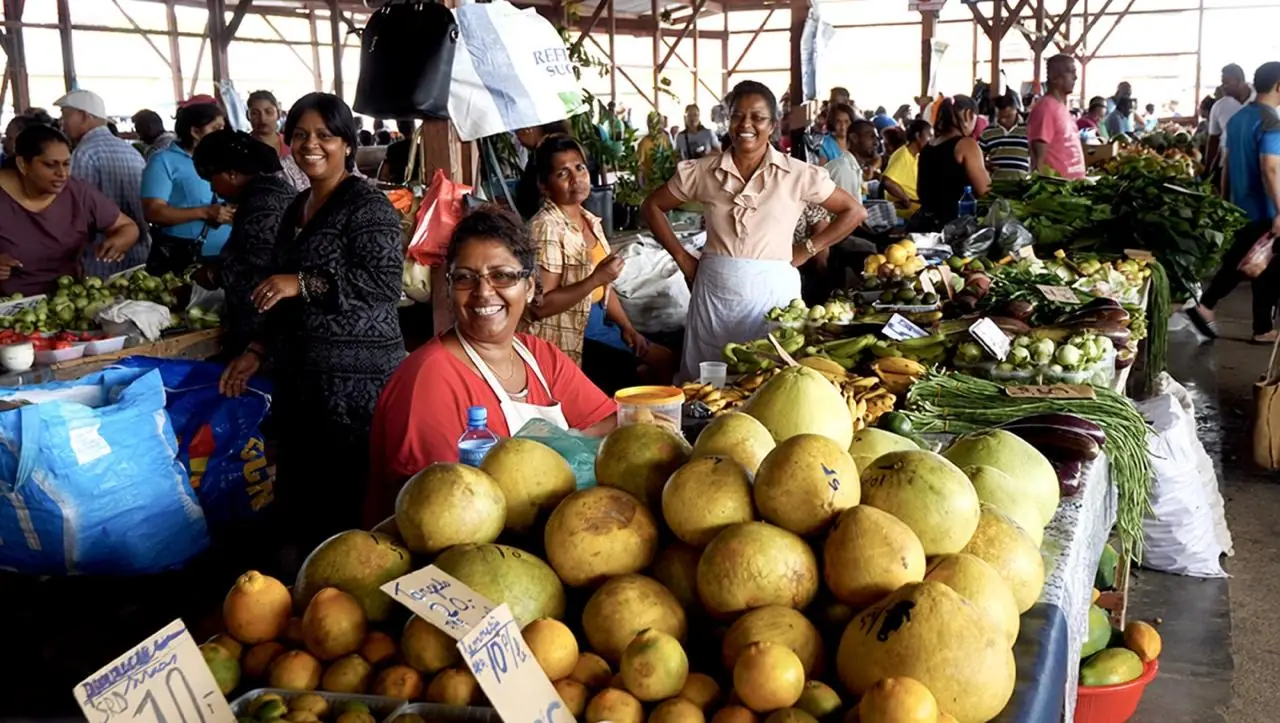
You taste it in a single day, too — a Hindustani roti at lunch, a Javanese saoto at dinner, a Creole sweet in between, and a Chinese supermarket for tomorrow’s snacks. You hear it in the music, the greetings, the easy switching between tongues mid-sentence. It is not a museum-piece diversity, curated for visitors; it is simply how the days are made.
The heritage around you
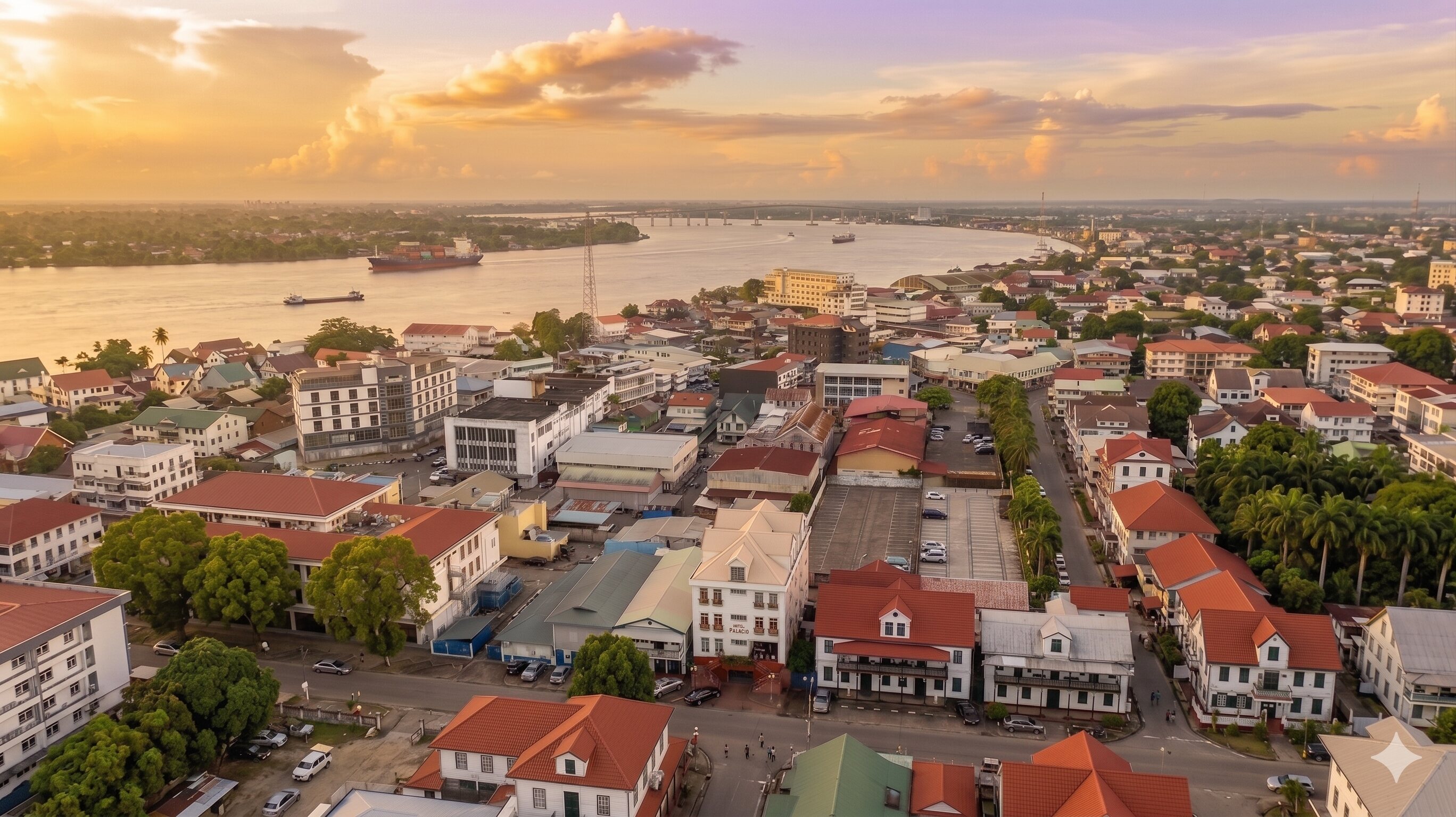
All of this sits inside a place that is itself remarkable. Paramaribo’s historic inner city is a UNESCO World Heritage Site — a rare stretch of Dutch colonial architecture rendered in tropical timber, laid out on the original street plan and still very much lived in. Walking it, you’re not visiting a museum; you’re moving through a working town that happens to be centuries old.
A short history, in brief
None of this diversity was gentle in the making. Suriname was a Dutch colony built on sugar and slavery; after abolition, plantation labour was replaced with indentured workers shipped from British India and the Dutch East Indies, while the Maroons — the descendants of those who freed themselves from enslavement — built their own communities deep in the interior, where many of their traditions survive intact today. Independence came in 1975. What’s remarkable is not that so many peoples ended up here, but that they held onto who they were and still made a shared country of it.
Look up, and the mix is literally on the skyline. Church steeples, a mosque’s minaret, and a Hindu temple’s tower share the same few streets, and on the right evening you can hear more than one call to prayer or peal of bells at once. Nowhere else quite frames its diversity so plainly — not as a slogan, but as an ordinary view.
Why it matters for a visit
It matters because it makes Suriname unusually easy to feel. You don’t need a grand tour to sense the mix — it’s in the market, the menu, the skyline of spires and minarets. Stay in the centre, walk slowly, and let a small capital show you how many worlds can share a few blocks. For a country most travellers can’t place on a map, that turns out to be the whole draw — you leave not with a fact learned but with a feeling, that difference held with care can be a quiet kind of beauty. A room in the old town puts you right in the middle of it.
Make it a trip. Pair this with the Jodensavanne heritage trip — we’ll arrange it from the front desk.