Travel note · Suriname
When to visit Suriname.
Dry seasons, wet seasons, and the quieter windows worth planning around.
The best time to visit Suriname is one of its two dry seasons — roughly mid-August to November, and again February to April — when the city is easy to walk and the day trips run smoothly. Suriname has two dry seasons and two wet ones, and the difference matters more than the calendar suggests: the rains shape the roads, the rivers, and how far into the interior you can comfortably go.
The short answer: the driest, sunniest stretches run roughly from mid-August to November, and again from February to April. Those are the easy months for walking the city and heading out on day trips.
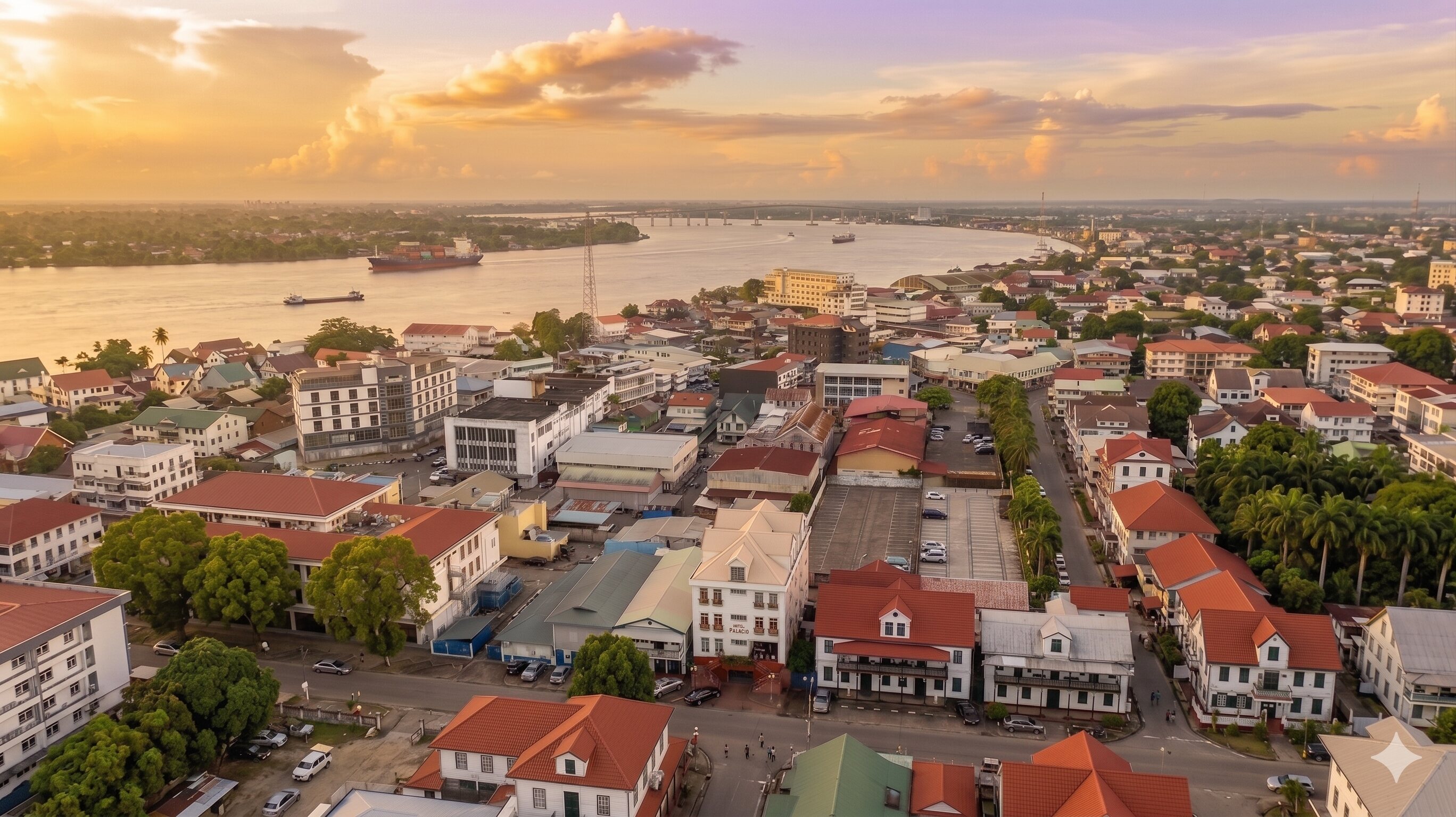
That said, Paramaribo is enjoyable year-round. The old town is walkable in any season, and a passing tropical shower rarely lasts long. Here’s how the year tends to fall.
The dry seasons
The long dry season, from about mid-August into November, is the reliable one — warm, bright, and well suited to being outdoors. September and October in particular are popular for exactly that reason, so flights and rooms are worth booking ahead. There’s a shorter dry window, too, around February to April, which many travellers quietly prefer: the light is lovely and the crowds are thinner.
If your trip depends on reaching the interior — rainforest lodges, river journeys, the deeper nature — a dry stretch is the sensible choice. The roads and trails are simply easier, and plans are less likely to shift under you.
The wet seasons
There’s a short rainy spell around December and January, and a longer one from roughly May into mid-August. The rain here usually arrives in warm, heavy bursts rather than grey all-day drizzle, so even the wetter months keep their bright hours. The city carries on regardless, umbrellas and all.
The trade-off is the interior. In the wettest weeks, the limited road network gets harder and some remote trips pause. If the deep forest is the point of your visit, it’s worth steering around the height of the long wet season.
Turtle season, and other timing
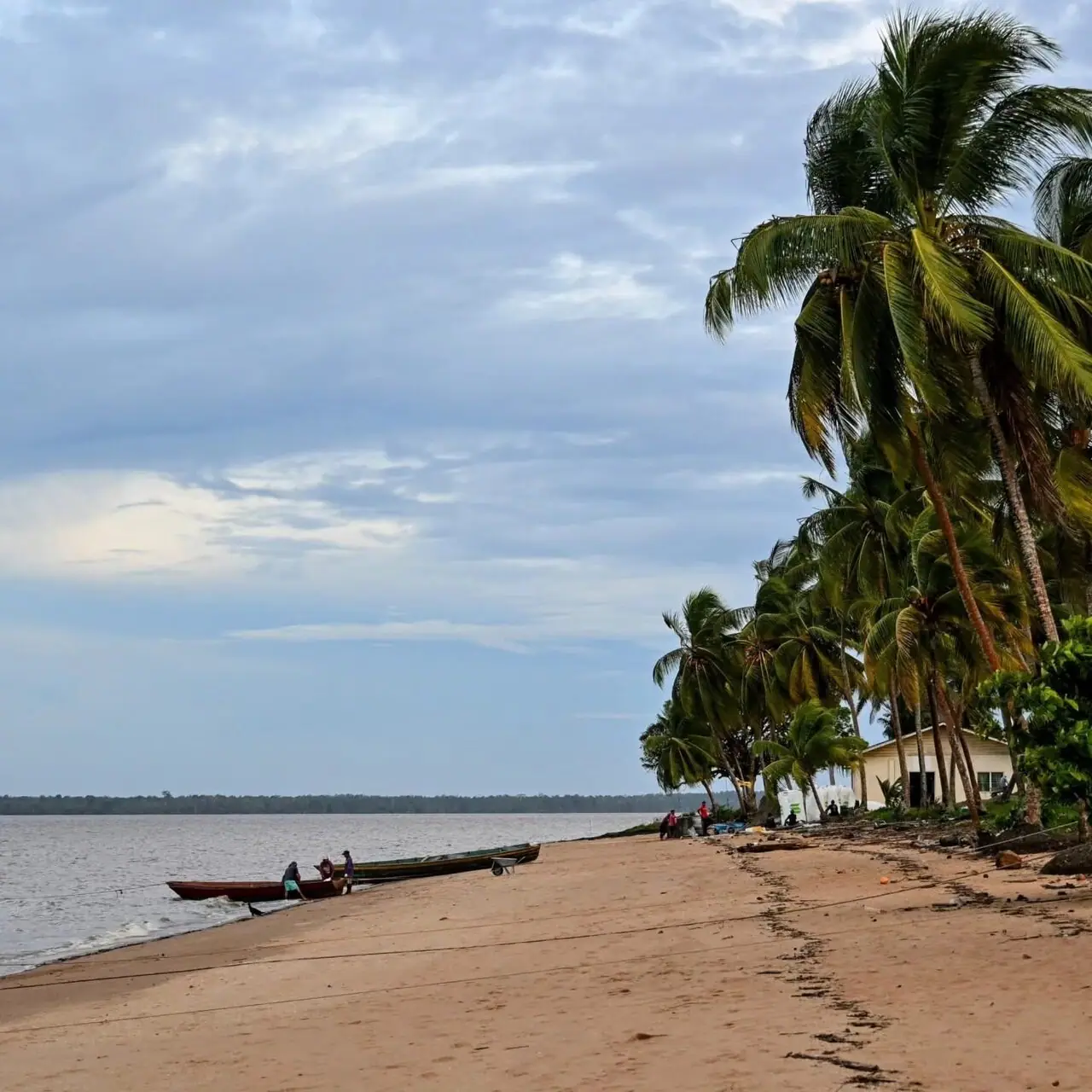
Some of Suriname’s most memorable experiences run to their own calendar. Sea-turtle nesting on the Atlantic coast, around Galibi, is seasonal — broadly across the first half of the year into the middle of it — so if that’s on your list, plan the trip around it and ask us to confirm the current window before you commit. The same goes for the occasional festival or public holiday, when the city fills and rooms go quickly.
A word on the heat
Whatever the season, Suriname is warm and humid — days in the low thirties, nights not far behind, and a closeness to the air that takes a day or two to settle into. The practical answer is simply to slow down: walk in the morning and the late afternoon, rest through the middle of the day, and drink more water than you think you need. Light, breathable clothes and a hat do more than any forecast.
The upside of the climate is the green it grows. The city is full of mango trees, palms, and sudden gardens, and the interior is rainforest precisely because it rains. So there isn’t really a bad time to come — only a right time for what you want most. Chasing dry trails into the forest? Aim for the dry months. Happy to wander a walkable city and take the odd shower as it comes? Almost any week will do.
One practical note: book ahead for the popular dry months and around any festival, when the city fills and good rooms go quickly. In the quieter weeks you can often decide late and still land somewhere lovely.
So when should you come?
For a first visit built around the city and a few day trips, aim for one of the dry stretches — mid-August to November, or February to April. If you’re flexible and value quiet over guaranteed sunshine, the shoulder weeks reward you with lower prices and a calmer pace. And whenever you land, the front desk will read the week ahead and steer your days accordingly. If you’re still weighing it up, getting to Suriname and where to stay are the next things to sort.
Make it a trip. Pair this with the Galibi turtle trip — we’ll arrange it from the front desk.
More travel notes